EN
EN  FR
FR 

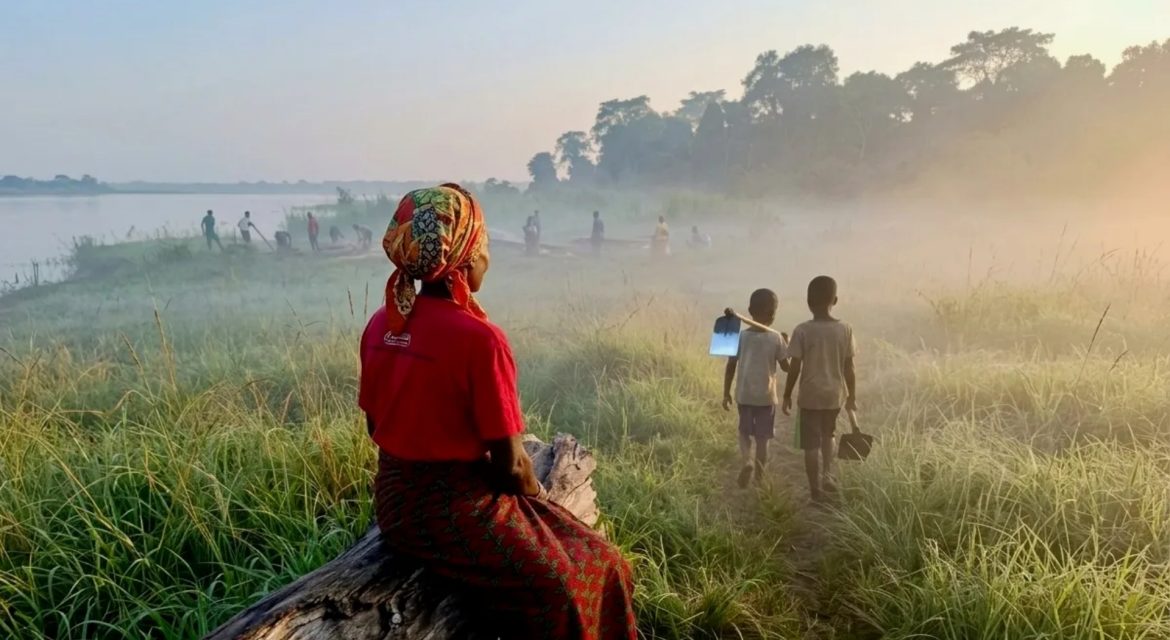
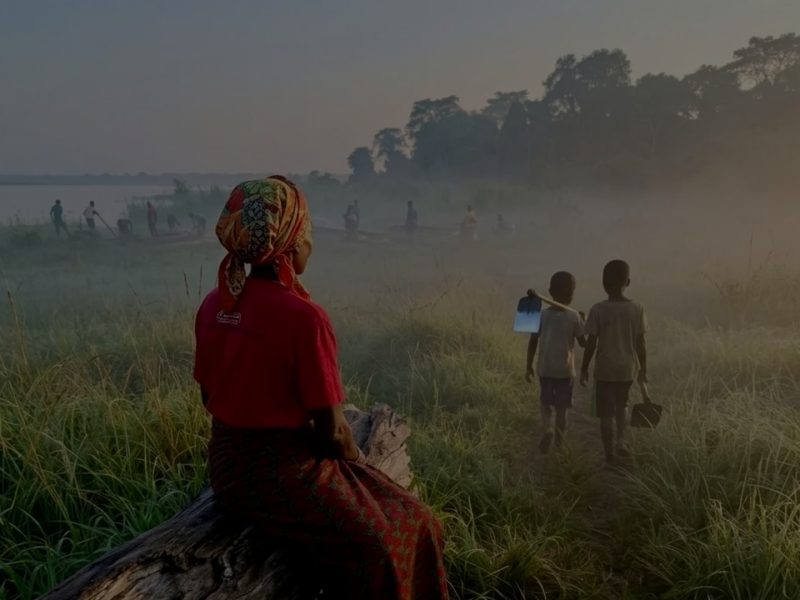
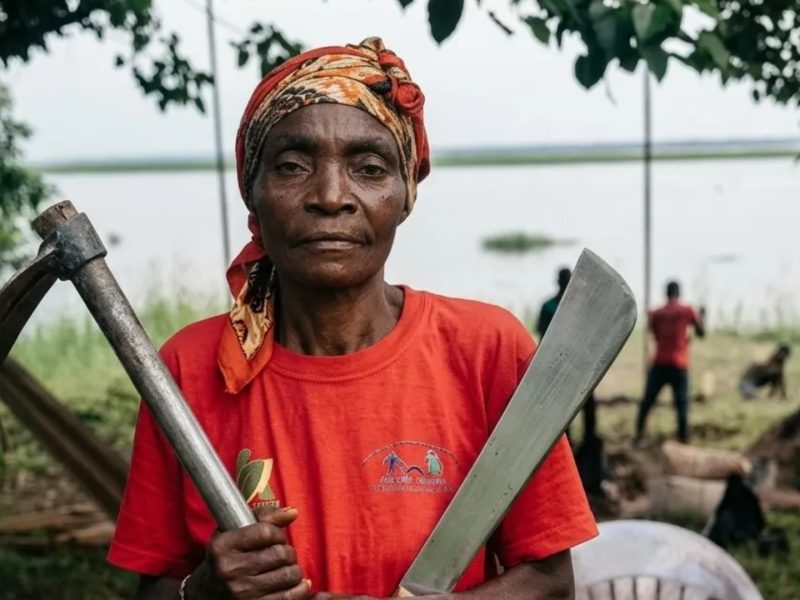
At dawn, in Mushie's territory, the mist still clings to the tall grass. Sitting on a tree trunk, MabialaThe 32-year-old woman watches her two children walk away with brand-new hoes, gleaming in the dew. A year ago, she had no field, no tools, and no certainty of being able to feed her family. "We were fleeing... we were just trying to survive," she whispers, her eyes fixed on the forest.
Like dozens of other indigenous Pygmy families originating from the groups Elé-Lokoro and LukeniMabiala left the Kiri region. Hunger, food insecurity, and pressure on resources forced them to leave. Upon arriving in Mushie, they were just another displaced person, invisible in an already fragile region. Today, their daily lives are slowly beginning to change.
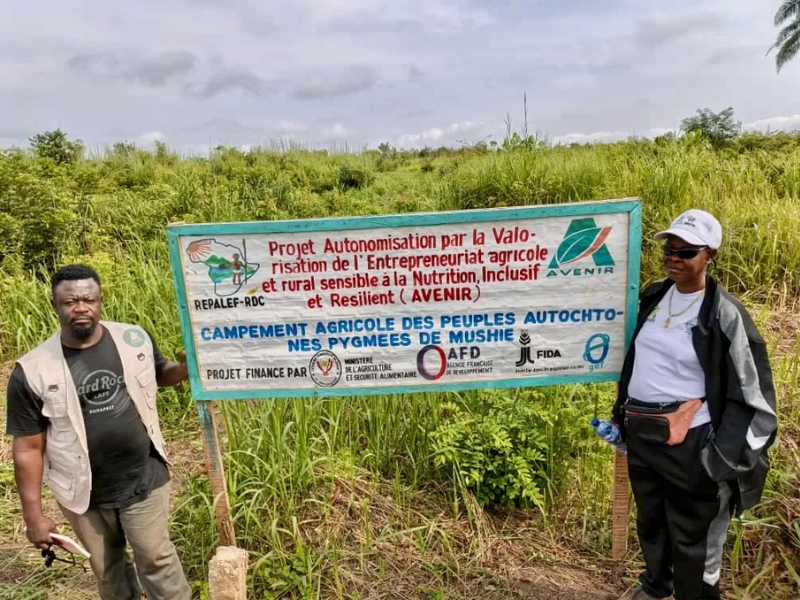
Mabiala owes this shift in part to the Project for Empowerment through the Promotion of Nutrition-Sensitive, Inclusive and Resilient Agricultural and Rural Entrepreneurship (AVENIR Project). Ce projet est cofinancé par le Gouvernement de la République Démocratique du Congo, l’Agence Française de Développement (AFD,), the International Fund for Agricultural Development (IFADand the Global Environment Facility (GEF). It is placed under the supervision of the Ministry of Agriculture and Food Security and benefits from the technical support of the Network of Indigenous and Local Populations for the Sustainable Management of Forest Ecosystems of the DRC (REPALEF-RDC).
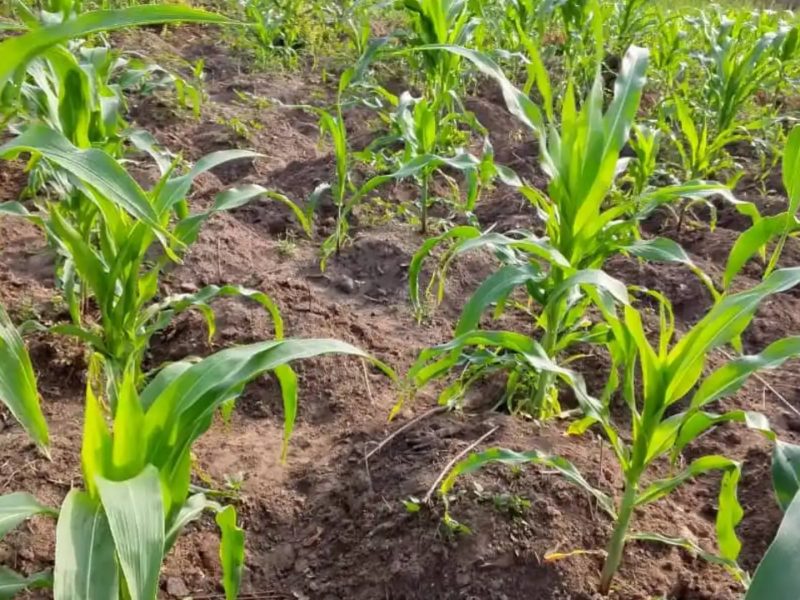
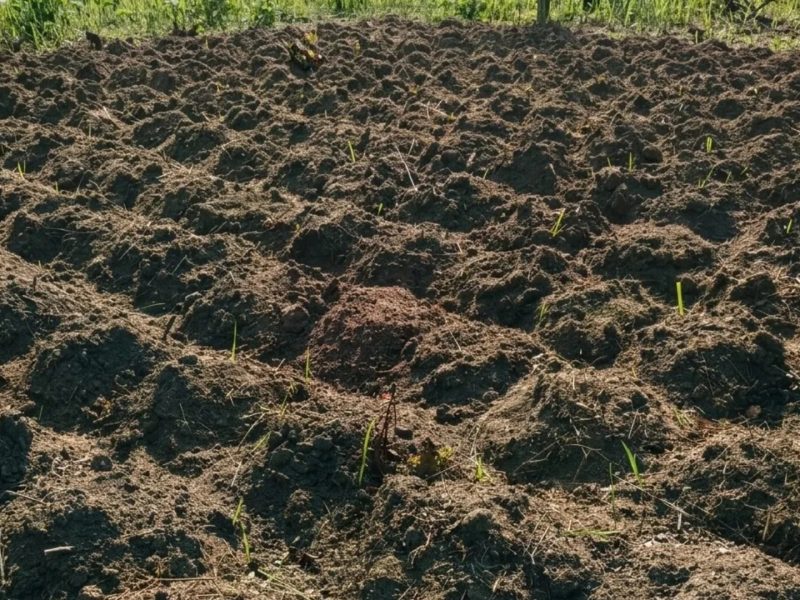
In the villages of Mushie and Oshwe, these discussions paved the way for concrete transformation. More 70 hectares of land have been secured for indigenous communitiesallowing more 200 households, next to 10,000 people to find space to cultivate crops, fish, and raise livestock. For Mabiala, this abstract figure translates into a very real plot of land. "This is where I plant cassava now," she says, pointing to a clearing where the first shoots are emerging. Nearby, rows of wooden beehives attest to another activity recently introduced: beekeeping.
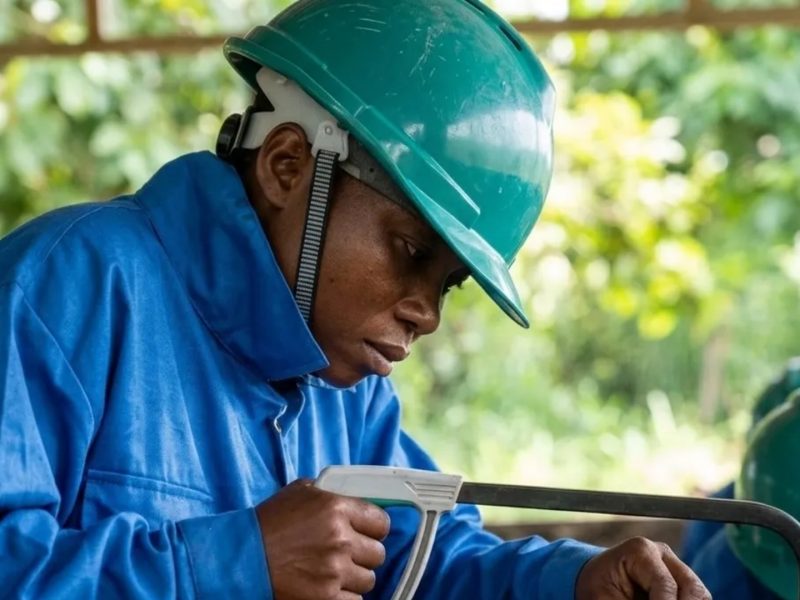
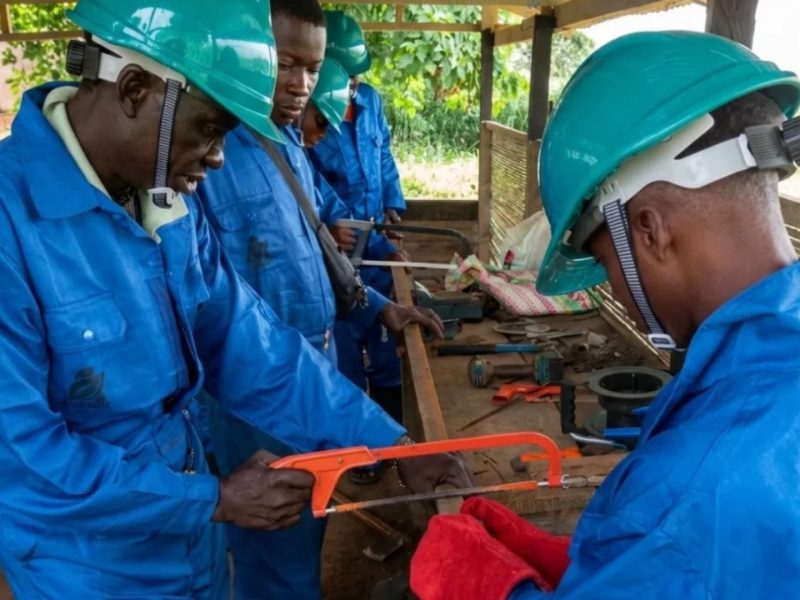
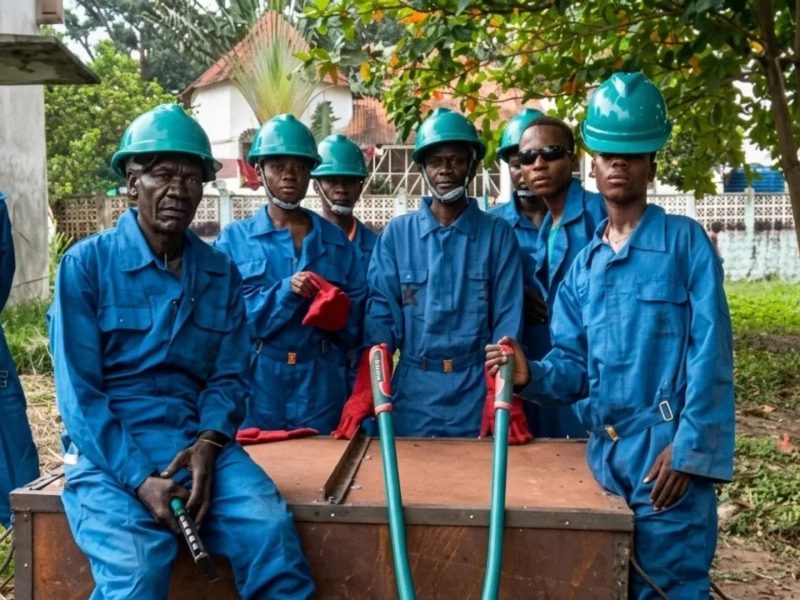
A little further on, in Oshwe-City, the sound of metal echoes in a brand new workshop. PatrickThe 24-year-old adjusts a part amidst the sparks of a weld. "I never thought I'd learn this one day," he confides. Like other young people, he was trained in one of the two centers built as part of the project. Here, they manufacture hoes, carts, and agricultural equipment—tools that were desperately needed by the communities.
“Before, we were dependent on everything. Now, we can produce ourselves,” adds Patrick, wiping the sweat from his forehead.
Beyond tools and land, the project also focuses on knowledge. In the Champs Écoles Paysans, des groupes se réunissent régulièrement pour apprendre et partager des techniques agricoles adaptées. Mama ThérèseA local trainer insists: "We are not here to replace their knowledge. We are valuing it, we are strengthening it."
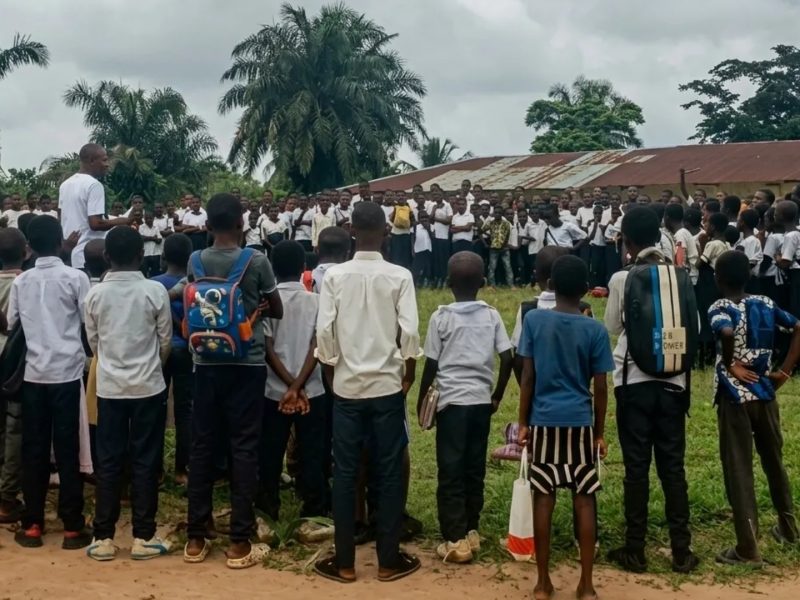
This approach also extends to the forest. Here, every economic advance is inextricably linked to an environmental challenge. Educational campaigns raise awareness among communities about the sustainable management of forest ecosystems; a necessity in a province where the forest remains both a source of life and a fragile bulwark against climate change. In a school in Oshwe, children rehearse aloud the actions to avoid in order to protect their environment. “We are taught that the forest can disappear if we are not careful,” explains 11-year-old Junior.
It is also within this dynamic that, for the first time, Mabiala attended a public celebration in his name. During the International Day of the World's Indigenous Peoples 2025Organized in the province, she was surrounded by other families, listening to speeches, participating in discussions, and above all, feeling acknowledged. “We were given a voice. We shared our stories,” she said. That day, beyond the symbols, a sense of collective existence emerged, helping to break down stigma and strengthen ties between communities.
But one of the quietest changes is happening elsewhere: in the recognition of rights. Thanks to public awareness campaigns, the Law No. 22/030 concerning the protection of Indigenous Pygmy Peoples It's starting to circulate in discussions. "Before, we didn't even know we had rights," Mabiala admits. "Now, we can speak out."
Behind these advances, a complex institutional framework supports the project. REPALEF-RDC coordinates the actions of AVENIR Project on the ground in support of Indigenous Pygmy Peoples. An architecture often invisible to the beneficiaries, but essential to mobilize resources and structure interventions.
Yet, on the ground, everything remains fragile. Needs still exceed resources, and several activities are still being implemented. Land disputes, climate challenges, and persistent inequalities continue to weigh heavily on the communities. At the end of the day, Mabiala gathers her tools. The sun sets behind the forest, casting long shadows on her field. She pauses for a moment, watching her children return, their feet covered in dirt.
“It’s still not easy,” she said softly. “But at least now we have something to protect.” In this corner of Maï-Ndombe, the future isn’t promised. It’s cultivated, by sheer hard work, between the memory of the forest and the fragile hope of regained autonomy.
@Kilalopress